

Night blindness is a common yet often overlooked issue, particularly for individuals with myopia (short-sightedness). At Vision Care Clinic, we frequently see patients who struggle with reduced vision in low-light conditions, especially when driving at night. Understanding the connection between night blindness and myopia is key to finding the most effective treatment, such as laser eye surgery.
Night blindness, also known as nyctalopia, refers to difficulty seeing in dim lighting or darkness. While it is not a condition on its own, it is often a symptom of underlying vision problems. For those with myopia, night blindness can become more noticeable because of how light is focused in the eye. In myopic eyes, light focuses in front of the retina rather than directly on it, causing blurred distance vision that can worsen in low-light environments.
One of the main reasons myopia contributes to night blindness is pupil dilation. When it gets dark, the pupils enlarge to let in more light. However, this also allows more unfocused light rays to enter the eye, increasing visual distortion. This can result in symptoms such as halos, glare from headlights, and reduced contrast, all of which make night-time activities more difficult.
Common signs of night blindness include difficulty driving at night, trouble adjusting when moving from bright to dim environments, and increased sensitivity to bright lights in the dark. These symptoms can significantly impact confidence and safety, particularly for those who rely on clear vision for evening travel or work.
At Vision Care Clinic, we focus on identifying the root cause of night blindness and providing long-term solutions. For patients with myopia, laser eye surgery is often one of the most effective treatment options. This advanced procedure works by reshaping the cornea so that light can focus correctly on the retina, addressing the underlying refractive error that contributes to night blindness.
Laser eye surgery can significantly improve distance vision, which may reduce visual disturbances experienced in low-light conditions. This can make a substantial difference in everyday activities, particularly driving after dark.
As with any procedure, suitability for laser eye surgery depends on individual factors such as prescription stability, corneal shape and thickness, as well as overall eye health. At Vision Care Clinic, we carry out detailed assessments to ensure that each patient receives the most appropriate and safe treatment plan.
While laser eye surgery can greatly reduce symptoms of night blindness caused by myopia, it is important to have realistic expectations. Some patients may still notice mild visual effects in very low-light conditions, particularly during the initial healing period. However, the majority experience a significant improvement in both clarity and confidence.
Understanding night blindness and its link to myopia is the first step toward better vision. With modern advancements like laser eye surgery, it is now possible to address the root cause and achieve lasting results.
If you are experiencing night blindness and have myopia, a consultation at Vision Care Clinic can help determine whether laser eye surgery is right for you. With expert care and tailored treatment, clearer night vision could be closer than you think.
Published 8th May 2026
by Rebecca
by Rebecca
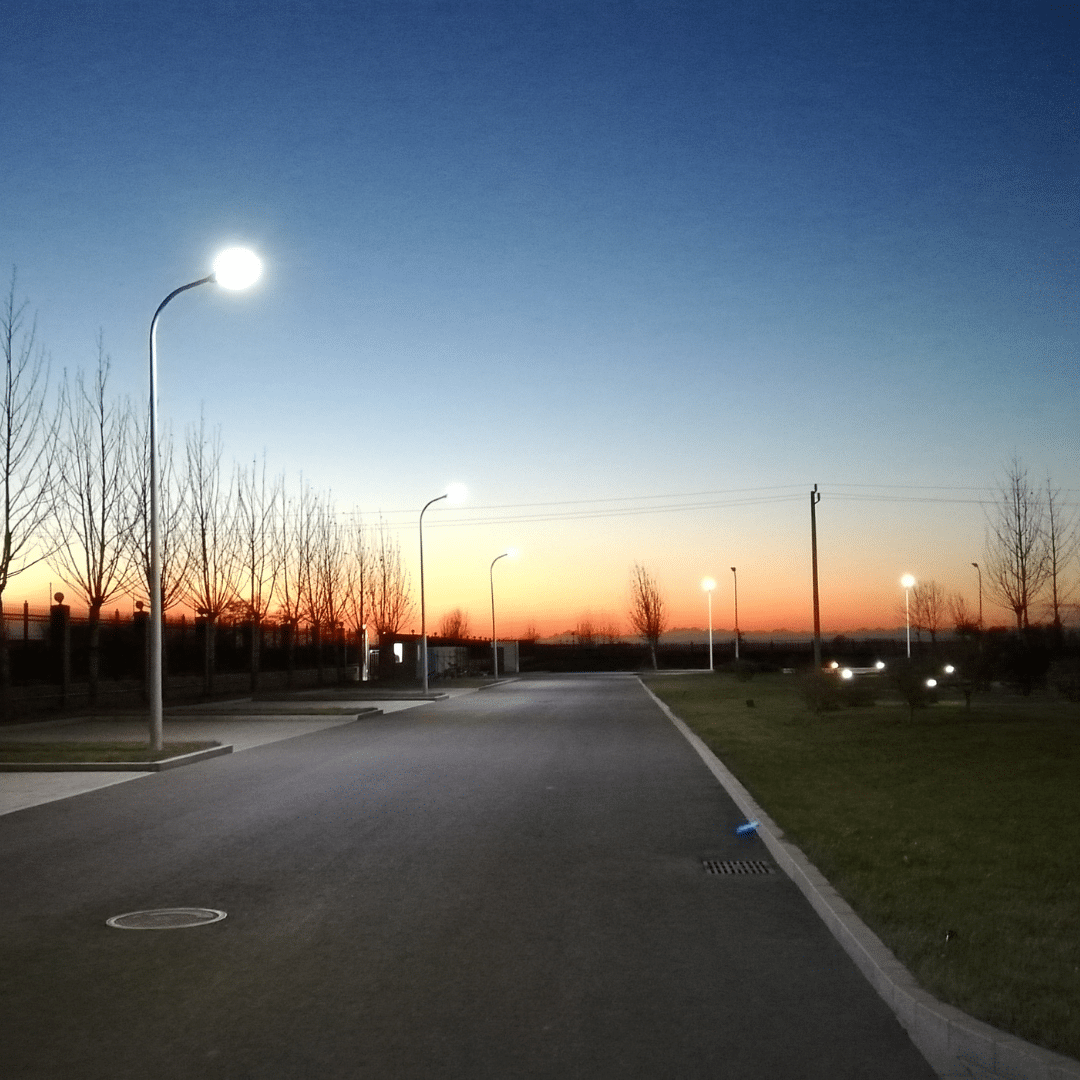
Understanding the connection between night blindness and myopia is key to finding the most effective treatment, such as laser eye surgery.
You might be interested in:
Therapy for Dry Eye
At Vision Care Clinic, we provide advanced therapy for dry eye, designed to target the root cause of the condition and deliver long-term relief.
Read More
What Is a Retinal Tear?
The retina is a crucial part of the eye responsible for converting light into neural signals that are sent to the brain, enabling us to see the world around us. A retinal tear occurs when the retina is damaged or torn, potentially leading to vision loss or other complications if left untreated.
Read More
Laser Eye Surgery for Glaucoma
Traditionally, glaucoma has been managed with prescribed eye drops, but advances in treatment now offer patients an additional treatment, Selective Laser Trabeculoplasty (SLT).
Read More