

Cataracts are a common age-related eye condition that occur when the natural lens inside the eye becomes cloudy. If cataracts begin to interfere with everyday activities such as reading, driving or watching television, surgery may be recommended. In the UK, treatment may be available through the NHS or privately, so what is the difference between private vs NHS cataract surgery?
At Vision Care Clinic in Bristol, we provide private cataract assessment and treatment, with care tailored to each patient’s eyes, lifestyle and visual requirements.
Is Cataract Surgery Available on the NHS?
Yes. Cataract surgery is available through the NHS for eligible patients when cataracts are having a significant impact on their vision and quality of life.
Your optometrist or GP may refer you for assessment, where the severity of your cataracts and their effect on your daily activities can be considered.
Waiting times and referral pathways can vary depending on local NHS services and demand.
What Is Private Cataract Surgery?
Private cataract surgery involves paying for your treatment rather than having it funded by the NHS.
The basic surgical principle is the same. The cloudy natural lens is removed and replaced with a clear artificial intraocular lens, known as an IOL.
One of the differences with private treatment is that patients may have access to a broader choice of lens options, depending on their suitability and individual visual goals.
Private vs NHS Cataract Surgery: Lens Choices
When comparing private vs NHS cataract surgery, lens choice can be an important consideration.
NHS cataract surgery typically uses a monofocal lens, which is designed to provide clear vision at a particular distance. Glasses may still be required for other distances and activities such as reading.
Private cataract surgery can provide access to additional lens options. These may include enhanced monofocal, toric and multifocal lenses.
Toric lenses can be used to correct certain levels of astigmatism, while some premium lenses are designed to provide a greater range of vision.
Not every lens is suitable for every patient, so your eyes need to be carefully assessed before a recommendation is made.
What About Waiting Times?
Another reason some people explore private cataract surgery is the potential for greater flexibility over the timing of their treatment.
NHS waiting times vary by location and provider. With private treatment, it may be possible to arrange consultations and surgery sooner, depending on availability.
Private care may also offer greater flexibility when arranging appointments around work, family or other commitments.
Is Private Cataract Surgery Better Than NHS Treatment?
Both NHS and private cataract surgery aim to safely remove the cataract and restore clearer vision. Choosing between them is therefore not simply a question of one being “better”.
Instead, you may want to consider factors such as waiting times, cost, choice of lenses, appointment flexibility and your personal visual requirements.
A private consultation can be particularly useful if you would like to explore different lens technologies or understand whether it may be possible to reduce your dependence on glasses following cataract surgery.
Private Cataract Surgery in Bristol
If you are considering private vs NHS cataract surgery, understanding the options available can help you make an informed decision about your eye care.
At Vision Care Clinic in Bristol, our specialist ophthalmic team provides comprehensive cataract assessments and personalised treatment plans. We can discuss your vision, lifestyle and lens options before explaining the potential benefits, limitations and risks of treatment.
If cataracts are beginning to affect your everyday life, book a consultation with Vision Care Clinic in Bristol to learn more about private cataract surgery and the treatment options available to you.
Published 16th October 2026
by Rebecca
by Rebecca
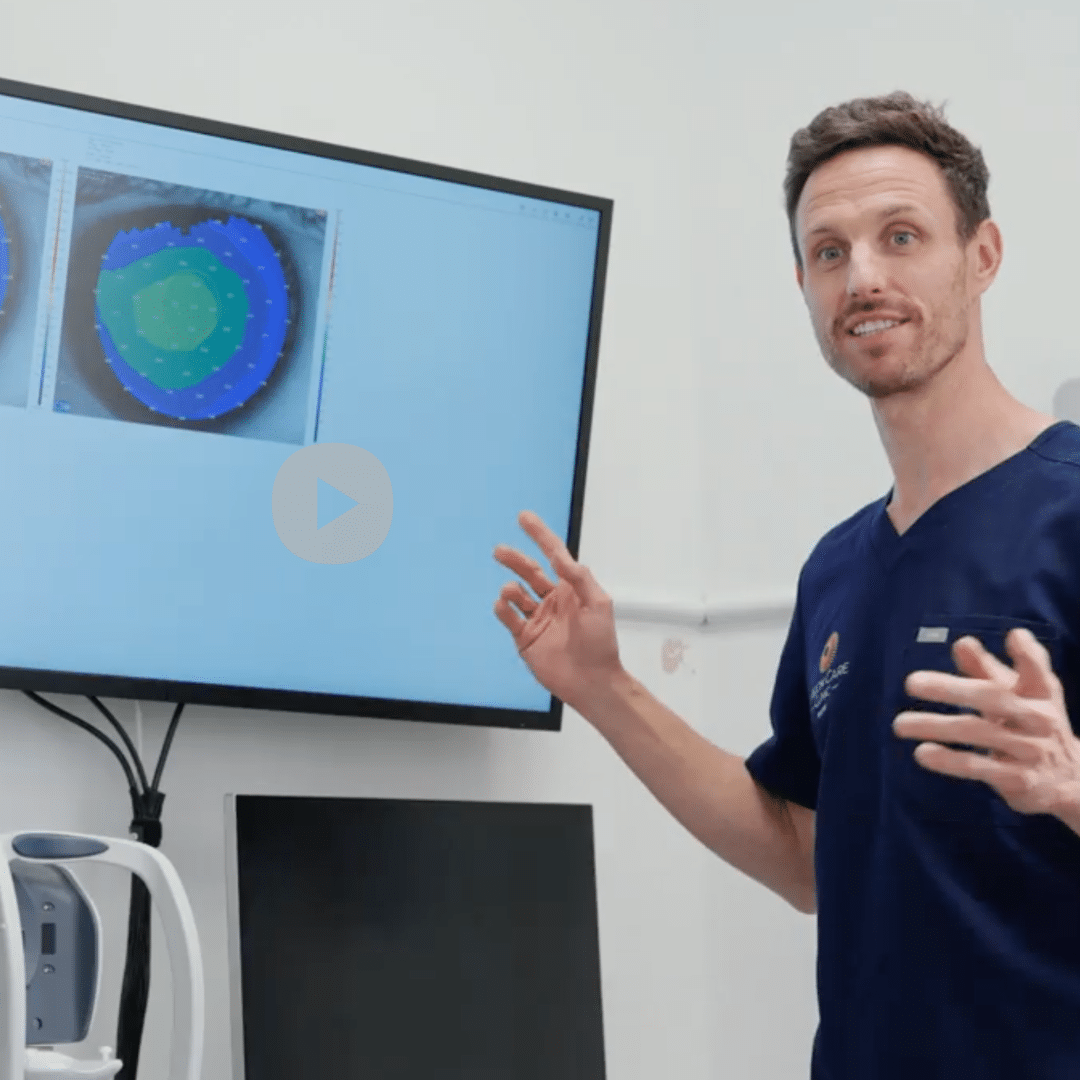
In the UK, treatment may be available through the NHS or privately, so what is the difference between private vs NHS cataract surgery?
You might be interested in:
How to Manage Dry Eyes
Dry eyes are one of the most common, and frustrating, eye complaints, affecting millions of people every day. Whether caused by prolonged screen use, environmental factors, or underlying eye conditions, the burning, gritty, and tired sensations can make even simple tasks uncomfortable. If you’ve tried endless drops with little success, you’re not alone.
Read More
What Causes Dry Eyes?
If you’ve ever experienced sore, itchy, or irritated eyes, you may have wondered what causes dry eyes. Dry eye syndrome is a common condition that affects millions of people and can range from mild discomfort to persistent irritation that impacts daily life.
Read More
Can Keratoconus Be Cured?
Currently, there is no single treatment that permanently cures keratoconus. However, modern advances mean that the condition can often be effectively stabilised, and in many cases, vision can be significantly improved.
Read More