

Laser eye surgery can provide long-lasting vision correction with a relatively quick recovery, but looking after your eye’s properly following treatment is essential. Understanding laser eye surgery aftercare, including what you can and can’t do, can help your eyes heal and reduce the risk of complications.
At Vision Care Clinic, every patient receives personalised aftercare advice and follow-up appointments, so you’ll know exactly what to expect following your procedure.
What Can You Do After Laser Eye Surgery?
Immediately after laser eye surgery, the best thing you can do is rest. Your eyes may feel watery, sensitive or slightly gritty, and your vision can initially be blurry or hazy.
Depending on your procedure and recovery, you may be able to return to many everyday activities relatively quickly.
You Can Rest and Sleep
Giving your eyes time to recover is particularly important during the first few hours. Try to keep your eyes closed and rest when you return home.
You Can Use Your Prescribed Eye Drops
Using your eye drops exactly as instructed is an important part of laser eye surgery aftercare. You may be given drops to reduce inflammation or help prevent infection, alongside lubricating drops to manage temporary dryness.
You Can Return to Work
Many patients can return to office-based work within a few days, although this varies according to the type of laser treatment and individual recovery.
If you use screens at work, take regular breaks and use lubricating drops if recommended.
You Can Resume Exercise Gradually
Light exercise may be possible relatively soon after treatment, but you should follow your surgeon’s advice about when to return to more strenuous activities.
What Can’t You Do After Laser Eye Surgery?
While your eyes are healing, there are several activities you’ll need to temporarily avoid.
Don’t Rub Your Eyes
Avoid touching or rubbing your eyes, particularly during the early stages of recovery. Your eyes need time to heal without unnecessary pressure or irritation.
Don’t Go Swimming Straight Away
Swimming pools, hot tubs and open water should be avoided during the initial healing period because they can expose your eyes to bacteria and other irritants.
Your eye care team will advise when it is safe to return to swimming.
Don’t Wear Eye Makeup Immediately
Eye makeup should also be avoided for a short period following surgery. Products such as mascara, eyeliner and eyeshadow can introduce particles or bacteria around the eye.
Don’t Drive Until You’re Cleared
You won’t be able to drive yourself home after laser eye surgery, so arrange transport in advance.
You should only return to driving once your vision meets the legal driving standard and you have been advised that it is safe to do so.
How Long Does Laser Eye Surgery Aftercare Last?
Although many people notice clearer vision very quickly, complete healing takes longer. Your vision may fluctuate during the first few weeks, and temporary symptoms such as dryness, glare or halos can occur.
Recovery also differs between procedures. LASIK patients often recover more quickly than those having surface laser treatment, such as PRK or LASEK.
Attending your scheduled follow-up appointments allows your eye care team to monitor your progress and provide individual guidance.
Laser Eye Surgery Aftercare at Vision Care Clinic
Good laser eye surgery aftercare is an important part of achieving the best possible outcome from your treatment.
At Vision Care Clinic, we support you throughout the entire process – from your initial assessment and laser eye surgery through to your recovery and follow-up care.
Published 16th October 2026
by Rebecca
by Rebecca
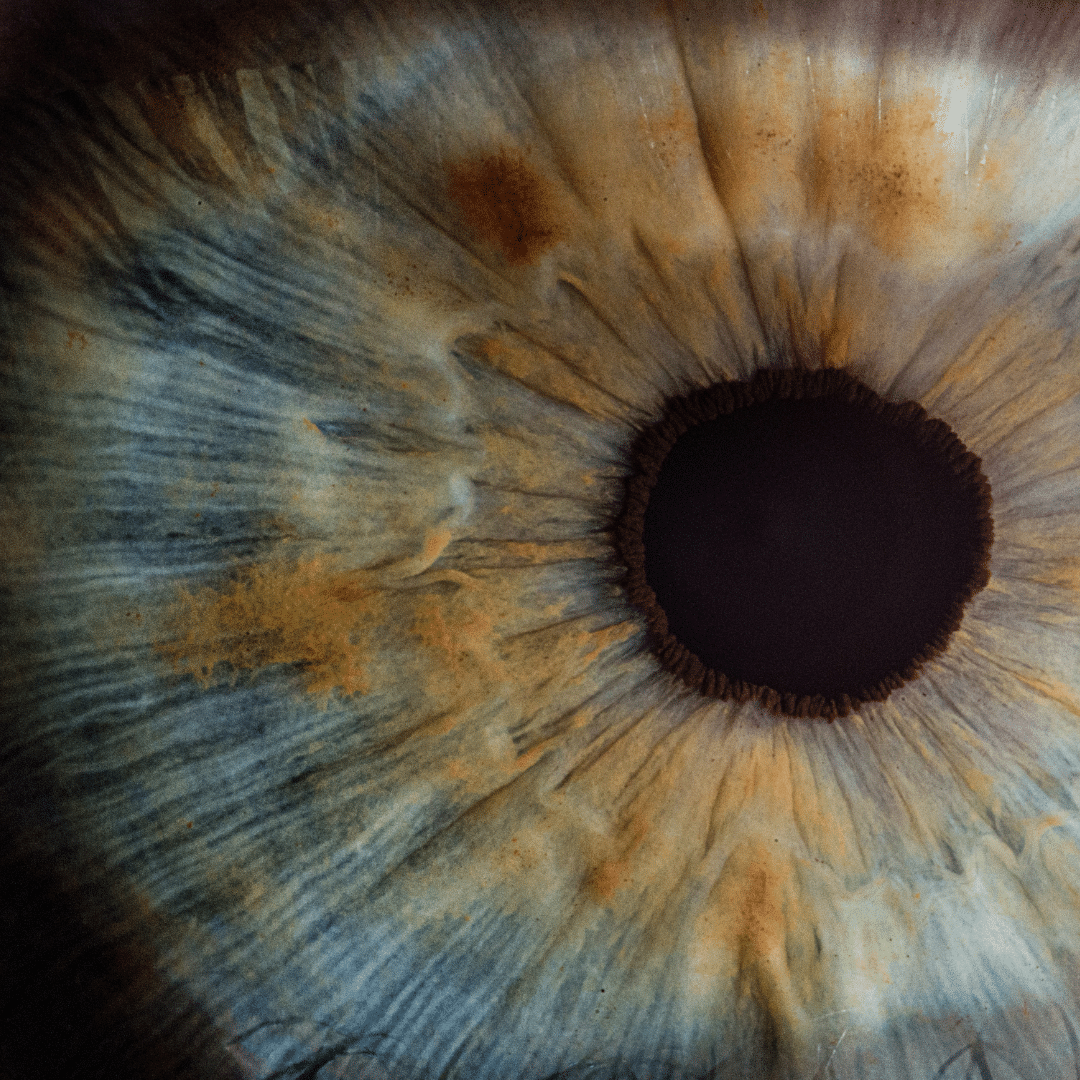
Understanding laser eye surgery aftercare, including what you can and can’t do, can help your eyes heal and reduce the risk of complications.
You might be interested in:
Preventing and Managing Keratoconus Progression
While there is currently no cure for keratoconus, early detection and proactive management can significantly slow down its progression and preserve vision.
Read More
How to Care for Your Eyes During a Heat Wave
When temperatures rise and the sun shines brighter for longer, most of us remember to protect our skin—but our eyes need just as much care.
Read More
What Causes Dry Eyes?
If you’ve ever experienced sore, itchy, or irritated eyes, you may have wondered what causes dry eyes. Dry eye syndrome is a common condition that affects millions of people and can range from mild discomfort to persistent irritation that impacts daily life.
Read More