

In recent years, blue light glasses have become the go-to accessory for office workers, students, and anyone who spends long hours in front of screens. Marketed as a solution for digital eye strain, these glasses promise to filter out the high-energy blue light emitted by computers, phones, and tablets. But are they really the key to better vision?
The truth is, blue light glasses may help reduce glare and mild discomfort for some people, but they can’t fix underlying vision problems. In fact, most of the fatigue we feel after staring at a screen has more to do with prolonged focus, dry eyes and poor vision correction rather than blue light itself. If you’re constantly straining to read text, squinting at images, or experiencing headaches, the root cause may be a refractive error, like shortsight, longsight or astigmatism, rather than the light from your device.
That’s where laser eye surgery at Vision Care Clinic can change everything.
Why Laser Eye Surgery Is Different
While blue light glasses address only one small piece of the puzzle, laser vision correction treats the actual cause of blurry vision. Procedures such as LASIK, PRK, or lenticle extraction, reshape the cornea to improve the way light focuses on the retina, delivering clear, sharp vision without the need for glasses or contact lenses.
Imagine, instead of filtering light through lenses to make your current vision slightly more comfortable, you wake up every morning with good eyesight: no glasses, no contacts, no extra accessories needed. That’s the promise of laser eye surgery.
The Limits of Blue Light Glasses
They don’t correct refractive errors. You still need prescription glasses or contacts if you have myopia, hyperopia, or astigmatism.
Scientific evidence is mixed. Studies show that blue light from screens is not a major cause of long-term eye damage.
They don’t prevent eye strain caused by focusing issues. Vision correction, proper screen breaks, and adequate lighting do far more to keep your eyes comfortable.
The Benefits of Laser Vision Correction
With permanent vision improvement, many patients achieve 20/20 vision or better.
Freedom from glasses and contacts, so no more fogged lenses, misplaced frames, or irritated eyes from contacts.
Treatment is a long-term investment in your vision; however, the cost of surgery typically balances out, compared to years of purchasing eyewear, lenses, and solutions.
Laser vision correction has a quick recovery and lasting results, with most patients returning to daily activities within 24–48 hours.
Making the Right Choice for Your Eyes
If your main reason for trying blue light glasses is to make your eyes feel “less tired,” but you still rely on glasses or contacts every day, it might be time to think bigger. Laser eye surgery addresses the root cause of blurred vision, offering not just comfort, but true clarity.
At Vision Care Clinic, we’ll guide you through a comprehensive eye assessment to determine whether you’re a candidate for one of our advanced laser treatments. Our goal is simple: give you the freedom to see clearly, without relying on filters, lenses, or workarounds.
Your vision deserves more than a quick fix. Let’s make it permanent.
Published 12th September 2025
by Rebecca
by Rebecca
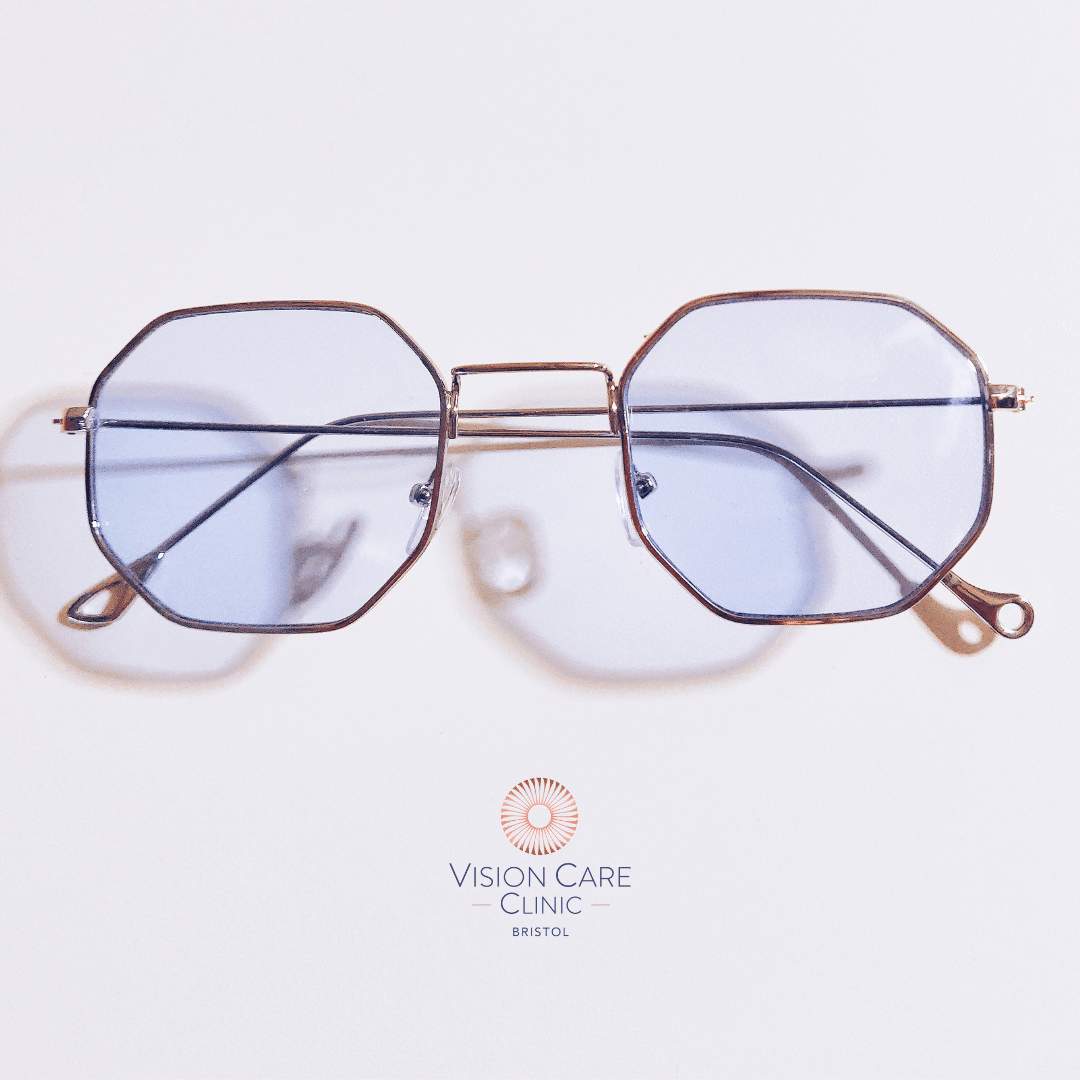
Marketed as a solution for digital eye strain, these glasses promise to filter out the high-energy blue light emitted by computers, phones, and tablets. But are they really the key to better vision?
You might be interested in:
Laser Enhancements After Lens Replacement
At Vision Care Clinic, our goal is to give you the best possible vision using the latest advancements in lens replacement surgery. Whether you’re seeking to correct cataracts or be free from glasses, we’re here to ensure you can see clearly and comfortably.
Read More
Understanding Keratoconus: Causes, Symptoms & Treatment
Keratoconus is a progressive eye condition that affects the cornea, the clear dome-shaped surface at the front of the eye. Vision Care Clinic has the ability to improve vision in keratoconus patients while simultaneously preventing its progression.
Read More
What Is Short-Sightedness?
Short-sightedness, also known as myopia, is a common vision problem that affects millions of people worldwide. This condition occurs when the eye grows too long, causing light rays to focus in front of the retina instead of directly on it. As a result, individuals with myopia have difficulty seeing objects at a distance clearly, while their close-up vision remains relatively unaffected.
Read More