

Glaucoma is one of the leading causes of blindness worldwide, yet it often develops gradually and without noticeable symptoms, making early detection crucial for preserving vision. At Vision Care Clinic, through this glaucoma awareness month, we aim to raise awareness about glaucoma symptoms and encourage regular eye exams to catch the condition in its early stages.
What Is Glaucoma?
Glaucoma is a group of eye diseases that damage the optic nerve, which is responsible for transmitting visual information from the eye to the brain. Most forms of glaucoma are linked to increased intraocular pressure (IOP) — the pressure inside the eye. This pressure can damage the optic nerve over time, leading to vision loss. The condition is often referred to as the “silent thief of sight” because it progresses slowly and painlessly, with many people unaware they have it until significant vision loss occurs.
There are two main types of glaucoma: open-angle glaucoma and angle-closure glaucoma. Open-angle glaucoma is the more common form, and it typically develops gradually. Angle-closure glaucoma, while less common, is more sudden and may cause immediate symptoms that require emergency treatment.
Common Glaucoma Symptoms
While glaucoma may not show symptoms in its early stages, as the disease progresses, various signs and symptoms can emerge. Here are some key symptoms to watch out for:
Gradual Loss of Peripheral Vision
One of the earliest signs of glaucoma is the gradual loss of peripheral (side) vision. This is often unnoticed at first, as the vision loss tends to occur slowly. If you find yourself struggling to see objects out of the corner of your eye, or if you start bumping into things on your side, it could be a sign and symptom of glaucoma.
Tunnel Vision
In the later stages of glaucoma, untreated damage to the optic nerve can cause tunnel vision, where you can only see objects directly in front of you, as if looking through a tunnel. This occurs due to the loss of peripheral vision, which can become progressively more limited without intervention.
Blurred Vision
As glaucoma advances, it can lead to blurred or hazy vision. This may be especially noticeable when you’re trying to focus on objects at a distance. Blurred vision can be a sign of pressure build-up inside the eye or damage to the optic nerve.
Eye Pain or Discomfort
While open-angle glaucoma typically has no pain or discomfort, angle-closure glaucoma can cause sudden eye pain. This type of glaucoma can develop rapidly and lead to severe pain in one or both eyes. If you experience sharp or intense pain in the eyes, along with nausea or vomiting, it is important to seek medical attention immediately.
Seeing Halos Around Lights
People with glaucoma may notice halos or rainbow-colored rings around lights, especially at night. This glaucoma symptom can be due to elevated intraocular pressure, which distorts light entering the eye.
Redness in the Eye
A red or bloodshot eye, particularly accompanied by pain, could be a sign of increased eye pressure. This symptom is more common in angle-closure glaucoma and can signal a medical emergency if it appears suddenly.
Treatment Options for Glaucoma
While glaucoma cannot be cured, it can be managed with timely treatment. The goal of treatment is to lower the intraocular pressure to prevent further damage to the optic nerve and preserve vision.
Take Action Today
If you notice any of the glaucoma symptoms mentioned above or if it’s time for your regular eye exam, don’t delay seeking professional care. Early detection is key to managing glaucoma effectively and preventing irreversible vision loss. At Vision Care Clinic, our glaucoma specialists are dedicated to providing comprehensive care tailored to your specific needs. We use advanced diagnostic tools to detect glaucoma early and develop personalised treatment plans to help protect your vision for the future.
Published 21st January 2025
by Rebecca
by Rebecca
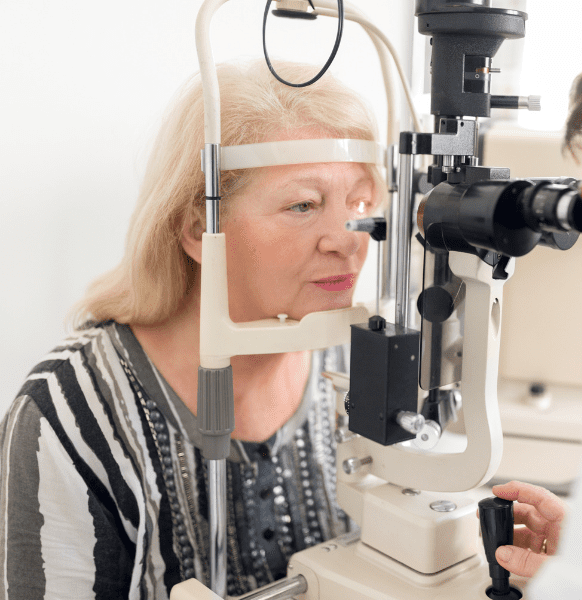
Glaucoma is one of the leading causes of blindness worldwide, yet it often develops gradually and without noticeable symptoms, making early detection crucial for preserving vision. At Vision Care Clinic, through this glaucoma awareness month, we aim to raise awareness about glaucoma symptoms and encourage regular eye exams to catch the condition in its early stages.
You might be interested in:
Protecting Your Vision from Glaucoma
Protect your vision from glaucoma with early detection, advanced treatments, and expert eye care designed to preserve sight and prevent vision loss.
Read More
How Much Is It for LASIK Laser Eye Surgery?
If you’re considering freedom from glasses or contact lenses, one of the first questions you’ll ask is, “How much is it for LASIK laser eye surgery?” At Bristol’s Vision Care Clinic, we offer world-class LASIK surgery at a fixed price of £2,650 per eye, ensuring complete transparency with no hidden costs.
Read More
Understanding Glaucoma: Causes, Symptoms & Treatment
Glaucoma is an eye condition that can affect the optic nerve, which is essential for clear and healthy vision. It is typically caused by an increase in pressure inside the eye, known as intraocular pressure.
Read More