

Cataracts are a common eye condition that affect millions of people worldwide, particularly those over the age of 60. As one of the leading causes of vision impairment, cataracts can significantly impact a person’s quality of life if left untreated. Understanding the symptoms of cataracts is crucial for early detection and timely treatment.
What is a Cataract?
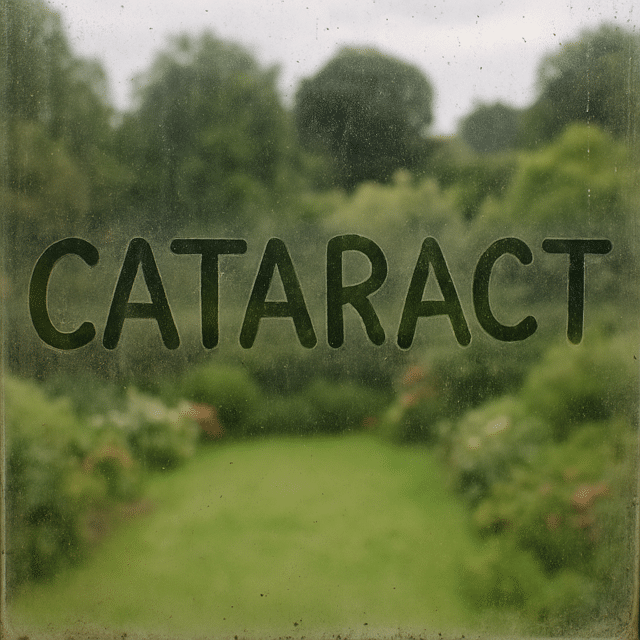
A cataract is a clouding of the natural lens of the eye, which sits behind the iris and pupil. Normally, this lens is clear and helps focus light onto the retina at the back of the eye. When a cataract forms, it clouds the lens, making it difficult for light to pass through, rather like a dirty window, and causing impairment to vision. Cataracts tend to develop gradually and can affect one or both eyes. The condition is most common in older adults, but it can also occur at birth, post injury, from certain medications, or medical conditions like diabetes.
Common Symptoms of Cataracts
Blurry or Cloudy Vision
One of the most common symptoms of cataracts is blurred vision. As the lens becomes clouded, it can cause images to appear out of focus, similar to looking through a foggy window. This clouding can worsen over time, leading to significant vision impairment.
Difficulty Seeing at Night
People with cataracts often experience increased difficulty seeing in low-light conditions, such as at night or in dimly lit rooms. This can make activities like driving at night particularly challenging, as headlights from oncoming vehicles may appear to have increased halos or glare.
Sensitivity to Light
In addition to difficulty seeing at night, cataracts can make individuals more sensitive to bright lights, such as sunlight or artificial lighting. This increased sensitivity can cause discomfort and make it hard to focus on tasks during the day.
Colours Appearing Faded or Yellowed
A cataract can cause colours to appear duller or even yellowish. This is because the clouded lens interferes with the way light enters the eye, altering colour perception. Many people with cataracts report that their surroundings seem less vibrant than they once were.
Frequent Changes in Prescription Glasses or Contact Lenses
If you find yourself needing to update your prescription frequently, it could be a sign of developing cataracts. As the clouding of the lens progresses, your vision may change, and you might need stronger prescriptions for glasses or contacts. However, this can be a temporary improvement before vision worsens again.
Double Vision in One Eye
Occasionally, cataracts can cause double vision in a single eye. This happens because the lens becomes unevenly clouded, creating two images of the same object. It is important to note that this symptom can also be indicative of other eye conditions, so consulting an ophthalmologist is recommended.
When to Seek Help
If you notice any of these symptoms, it’s important not to wait. Cataracts progress gradually, but we recommend seeking assistance as soon as the condition starts to affect the quality of day to day life. While cataracts cannot be prevented, they can be treated effectively through surgery. Cataract surgery, one of the most common and successful procedures performed by ophthalmologists, involves removing the cloudy lens and replacing it with a clear, artificial lens.
Our consultant ophthalmologist based in Bristol, offer expert cataract care, helping patients navigate the cataract symptoms and treatment options. If you are experiencing any of the signs mentioned above, schedule a consultation to discuss your symptoms and explore potential treatment options.
Published 2nd May 2025
by Rebecca
by Rebecca
Cataracts are a common eye condition that affect millions of people worldwide, particularly those over the age of 60. As one of the leading causes of vision impairment, cataracts can significantly impact a person’s quality of life if left untreated. Understanding the symptoms of cataracts is crucial for early detection and timely treatment.
You might be interested in:
How Does Smoking Affect Eyesight?
We all know that smoking is harmful to our health, but one area that often gets overlooked is the detrimental impact it can have on our eyesight. With smoking being a leading cause of preventable diseases globally, understanding the risks it poses to our eyes is essential.
Read More
Can Laser Eye Surgery Improve Your Marathon Experience?
With the London Marathon fast approaching, thousands of runners are fine-tuning their training plans, upgrading their gear, and focusing on nutrition. But there’s one performance factor many marathoners overlook: their vision.
Read More
Do Glasses Make Your Eyes Worse?
A common question many people ask is: do glasses make your eyes worse? It is a widespread myth that wearing glasses weakens your eyesight over time or makes your eyes dependent on them.
Read More