

Many people notice changes in their vision as they get older and assume it’s simply part of ageing. However, symptoms such as blurred vision, difficulty driving at night or increased sensitivity to light may be signs of cataracts.
Understanding the most common cataract signs and symptoms can help you recognise when it is time to seek professional advice. Cataracts are one of the leading causes of vision impairment in older adults, yet modern cataract surgery is a safe and highly effective treatment that can restore clarity and improve quality of life.
At Vision Care Clinic Bristol, we provide specialist cataract assessments and personalised treatment options to help patients enjoy clearer vision and greater independence.
What Is a Cataract?
A cataract occurs when the natural lens inside the eye becomes cloudy.
In a healthy eye, the lens is normally clear and helps focus light onto the retina, enabling sharp, detailed vision. As a cataract develops, the lens gradually becomes less transparent, reducing the amount and quality of light reaching the back of the eye.
Cataracts most commonly develop as part of the natural ageing process and become increasingly common after the age of 60. They can also be associated with:
- Diabetes
- Previous eye injuries
- Long-term steroid medication use
- Previous eye surgery
- Family history of cataracts
- Excessive exposure to ultraviolet (UV) light
What Are the Most Common Cataract Signs and Symptoms?
One of the challenges with cataracts is that they often develop slowly. Many people adapt to worsening vision without realising how significantly it has changed.
Common cataract signs and symptoms include:
- Blurred or cloudy vision
- Misty or foggy eyesight
- Colours appearing faded or yellowed
- Difficulty reading without brighter lighting
- Increased sensitivity to sunlight or bright lights
- Glare from headlights when driving at night
- Halos or rings around lights
- Frequent prescription changes
- Reduced contrast sensitivity
- Double vision in one eye
Many people describe their vision as being similar to looking through a dirty window or thin veil.
As cataracts progress, everyday activities such as reading, recognising faces, watching television and driving can become increasingly difficult.
What Do Cataracts Look Like in the Early Stages?
In the early stages, cataracts may not be obvious.
You might notice:
- Slightly blurred vision
- More difficulty reading small print
- Needing brighter light when reading
- Increased glare outdoors
- Difficulty seeing road signs at night
Because these symptoms develop gradually, they are often mistaken for normal ageing or changes in a glasses prescription.
This is why regular eye examinations are particularly important for adults over 55.
Can Cataracts Affect Night Driving?
Yes. Difficulty driving after dark is one of the most common reasons patients seek advice about cataracts.
As the lens becomes cloudier, it scatters light entering the eye. This can make night driving more challenging and may cause:
- Dazzling from oncoming headlights
- Increased glare from streetlights
- Halos around lights
- Reduced contrast sensitivity
- Difficulty judging distances
If you no longer feel confident driving at night, or if glare from headlights is affecting your safety, it is important to arrange a comprehensive eye examination.
Do Cataracts Affect Both Eyes?
Cataracts can develop in one eye or both eyes.
However, they do not always progress at the same rate. Many patients find that one eye has much clearer vision than the other.
This difference can sometimes cause:
- Reduced depth perception
- Difficulty reading
- Eye strain
- Challenges with driving and mobility
A specialist assessment can determine how much each eye has been affected and whether treatment would be beneficial.
When Should Cataracts Be Treated?
Many people ask:
“Do cataracts need to be removed straight away?”
Not necessarily.
Early cataracts may be managed for a period with:
- Updated glasses prescriptions
- Improved lighting when reading
- Anti-glare lenses
- Lifestyle adjustments
However, when cataract symptoms begin interfering with your daily activities, independence or enjoyment of life, treatment may be recommended.
Current guidance focuses less on how “advanced” the cataract appears and more on how much it affects your vision and quality of life.
What Happens During Cataract Surgery?
Cataract surgery is one of the most commonly performed procedures worldwide.
During treatment:
- The cloudy natural lens is removed.
- A clear artificial lens, known as an intraocular lens (IOL), is inserted.
- Vision gradually improves as the eye heals.
Modern lens options may also help reduce dependence on glasses for distance, intermediate and reading vision, depending on your individual suitability.
Your ophthalmologist will discuss the most appropriate lens based on your prescription, eye health and lifestyle needs.
Can Cataracts Cause Permanent Vision Loss?
When left untreated, cataracts can continue to worsen and may significantly reduce vision.
The good news is that cataract-related vision loss is usually reversible through cataract surgery. In most cases, vision improves considerably once the cloudy lens has been replaced.
Early assessment allows your specialist to determine whether cataracts are responsible for your symptoms or whether another eye condition may also be contributing to changes in vision.
Cataract Assessment at Vision Care Clinic Bristol
Recognising cataract signs and symptoms is the first step towards protecting your vision.
Because symptoms such as blurred vision, glare and difficulty reading can also be caused by other eye conditions, a professional examination is essential. Rather than assuming cataracts are the cause, it is important to have your eyes assessed by an experienced ophthalmic team.
At Vision Care Clinic Bristol, we provide comprehensive cataract assessments to determine:
- Whether cataracts are affecting your vision
- How advanced they are
- Whether treatment is appropriate
- Which lens options may be suitable for your lifestyle and visual goals
If you are experiencing cloudy vision, increasing glare, difficulty driving at night or other changes in your eyesight, our team can help you understand the cause and explore your treatment options.
Book a Cataract Consultation in Bristol
If you’re concerned about cataract signs and symptoms, arranging an assessment can provide clarity and peace of mind.
Contact Vision Care Clinic Bristol to book a specialist cataract consultation and discover the treatment options available to help you enjoy clearer, more comfortable vision.
Published 27th November 2026
by Rebecca
by Rebecca
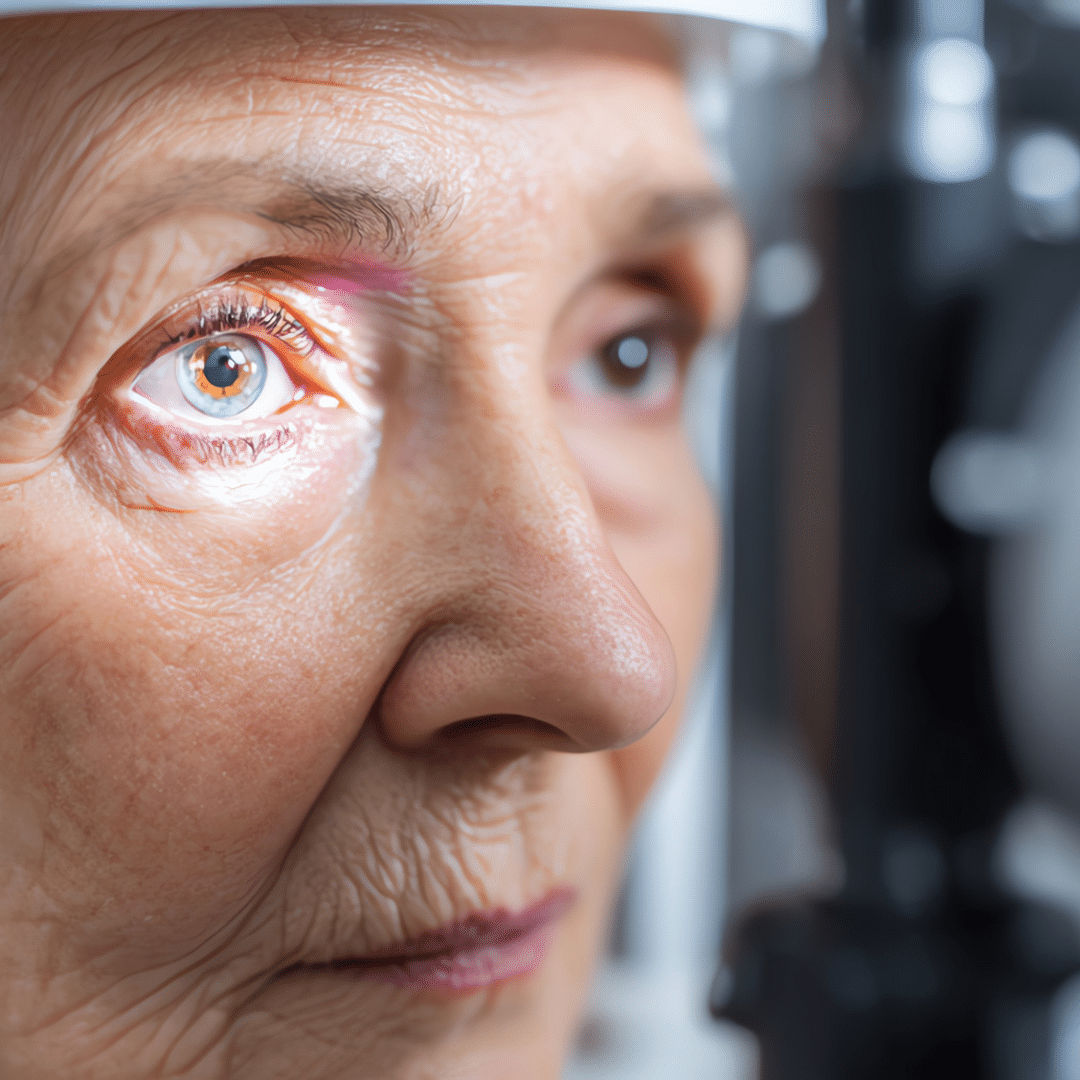
Understanding the most common cataract signs and symptoms can help you recognise when it is time to seek professional advice. Cataracts are one of the leading causes of vision impairment in older adults, yet modern cataract surgery is a safe and highly effective treatment that can restore clarity and improve quality of life.
You might be interested in:
Preventing and Managing Keratoconus Progression
While there is currently no cure for keratoconus, early detection and proactive management can significantly slow down its progression and preserve vision.
Read More
What Is Corneal Cross Linking?
If you’ve been diagnosed with keratoconus or another form of corneal ectasia, you may be wondering, what you should do now? Often a treatment called, corneal cross linking is recommended to preserve vision.
Read More
Laser Eye Surgery Recovery
Laser eye surgery has revolutionised the way millions of people correct their vision. With its quick and effective results, the laser eye surgery procedure has become increasingly popular.
Read More