

Tired of looking tired? Eyebags are a common concern that affects many people as they age. Whether due to genetics, fluid retention, or aging skin, puffiness under the eyes can make you appear older and more fatigued than you actually feel. So, if you’re wondering how to get rid of eyebags, you’re not alone and at Vision Care Clinic, we’re here to help.
What Causes Eyebags?
Before exploring how to get rid of eyebags, it’s important to understand what causes them. Eyebags often result from:
- Aging: As you get older, the muscles and tissues around your eyes weaken, causing fat to shift and collect below the lower eyelids.
- Fluid Retention: This is often due to lack of sleep, high-salt diets, or allergies.
- Genetics: Sometimes, eyebags are simply hereditary and appear even in younger individuals.
- Lifestyle Factors: Smoking, stress, and inadequate hydration can all contribute to puffy under-eyes.
Non-Surgical Options: What You Can Try at Home
If you’re not ready for surgery just yet, there are several non-invasive methods that may reduce the appearance of eyebags:
- Cold Compresses: Applying a cool cloth or chilled spoons can temporarily reduce puffiness by constricting blood vessels.
- Adequate Sleep: Getting 7–9 hours of sleep per night is essential for eye and skin health.
- Reduce Salt Intake: A diet high in sodium can cause your body to retain water, including under the eyes.
- Use Eye Creams with Caffeine or Retinol: These ingredients can temporarily tighten skin and reduce inflammation.
While these approaches can offer temporary relief, they may not fully address the issue, especially if structural changes in the skin and fat around the eyes are the cause.
Surgical Solution: Lower Blepharoplasty
If you’ve tried every trick in the book and still wonder how to get rid of eyebags, it might be time to consider a long-term solution. Blepharoplasty, or eyelid surgery, is a safe and effective procedure offered at Vision Care Clinic to remove or reposition excess fat and tighten the skin under the eyes.
This outpatient procedure not only improves the appearance of the under-eye area but can also enhance overall facial symmetry and reduce signs of aging. Recovery time is typically short, and most patients see a noticeable improvement within a few weeks.
Is Blepharoplasty Right for You?
If your eyebags are persistent and affect your self-confidence, blepharoplasty might be the answer you’ve been looking for. Our experienced Oculoplastic Specialist, at Vision Care Clinic, Samantha Hunt will evaluate your eye health and aesthetic goals to determine if you’re a good candidate for the procedure.
Take the Next Step Toward Brighter Eyes
Knowing how to get rid of eyebags begins with understanding your options. From lifestyle changes to surgical intervention, you don’t have to live with tired-looking eyes.
Contact Vision Care Clinic today to schedule a consultation and find out if blepharoplasty is right for you.
Published 16th July 2025
by Rebecca
by Rebecca
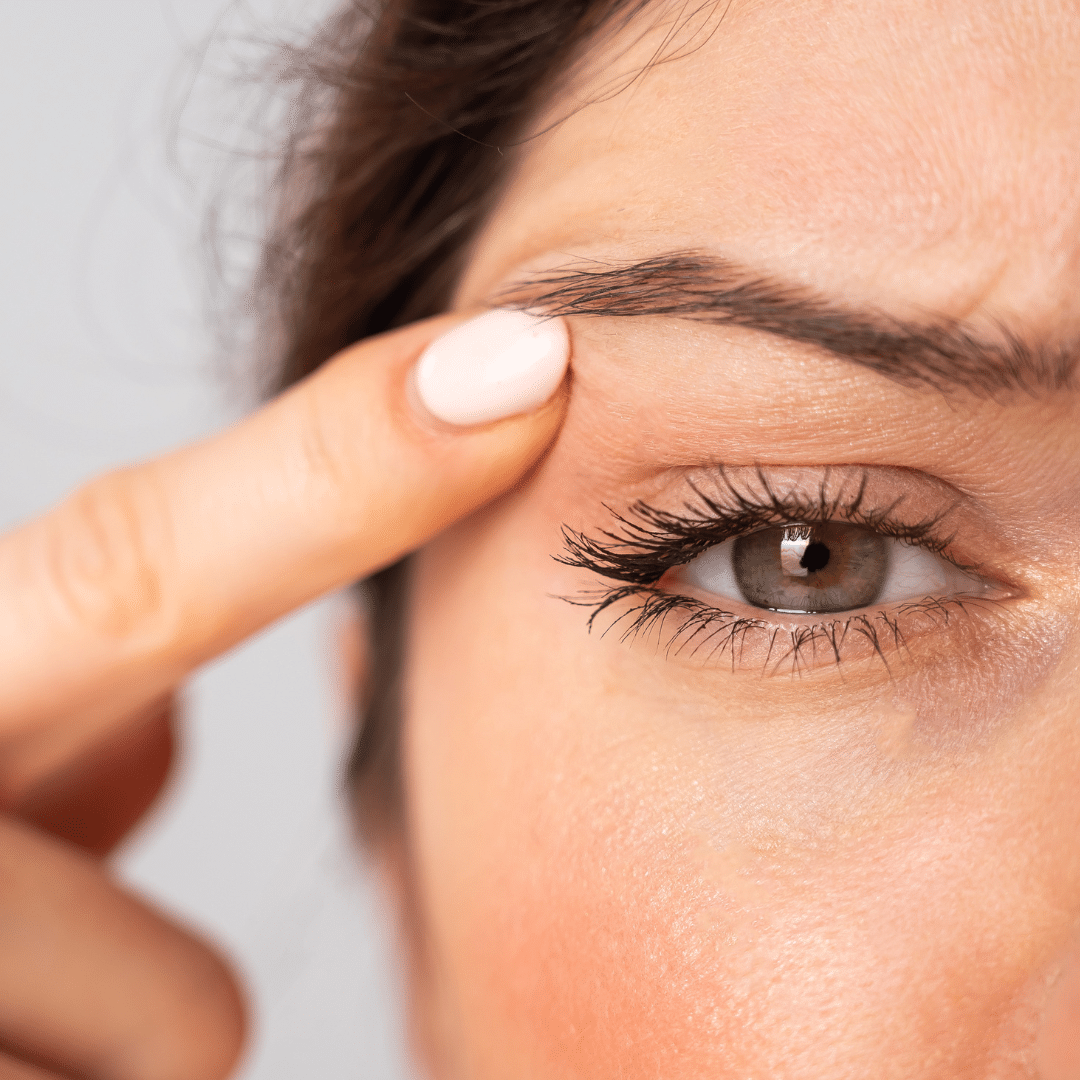
If you’ve tried every trick in the book and still wonder how to get rid of eyebags, it might be time to consider a long-term solution. Blepharoplasty, or eyelid surgery, is a safe and effective procedure offered at Vision Care Clinic to remove or reposition excess fat and tighten the skin under the eyes.
You might be interested in:
How to Care for Your Eyes During a Heat Wave
When temperatures rise and the sun shines brighter for longer, most of us remember to protect our skin—but our eyes need just as much care.
Read More
Mr Kieren Darcy Explains Laser Eye Surgery
Laser eye surgery, such as Lenticle Extraction (Small incision Lenticule Extraction), LASIK (Laser-Assisted In Situ Keratomileusis) and PRK (Photo-refractive Keratectomy), has transformed the field of vision correction. It has enabled millions of people to reduce or eliminate their reliance on glasses or contact lenses. An individual’s vision is often better after laser eye surgery than while wearing glasses or contact lenses.
Read More
Can Laser Eye Surgery Improve Your Marathon Experience?
With the London Marathon fast approaching, thousands of runners are fine-tuning their training plans, upgrading their gear, and focusing on nutrition. But there’s one performance factor many marathoners overlook: their vision.
Read More