

When people hear the word glaucoma, they often assume it refers to a single eye condition.
In reality, glaucoma describes a group of conditions that can damage the optic nerve, the vital connection between the eye and the brain. While these conditions share some common features, they can develop in different ways, present with different symptoms and require different treatment approaches.
Understanding the various types of glaucoma can help explain why early diagnosis is so important and why treatment is often tailored to each individual patient.
At Vision Care Clinic, glaucoma specialist Mr Demetri Manasses provides comprehensive assessment and management of glaucoma, helping patients preserve their sight through early detection, ongoing monitoring and personalised care.
What Is Glaucoma?
Glaucoma is a condition that damages the optic nerve, often, though not always, in association with increased pressure inside the eye.
The optic nerve carries visual information from the eye to the brain. If that nerve becomes damaged, vision can be permanently affected.
One of the greatest challenges with glaucoma is that it often develops silently.
Many patients notice no symptoms at all during the early stages. In fact, significant changes to peripheral (side) vision can occur long before central vision is affected or before a person realises anything is wrong.
That raises an important question:
If glaucoma often develops without symptoms, how would you know you have it?
For many people, the answer is through routine eye examinations and appropriate screening.
What Are the Main Types of Glaucoma?
There are several different forms of glaucoma, each with its own underlying mechanism and rate of progression.
Primary Open-Angle Glaucoma
Primary open-angle glaucoma is the most common form of glaucoma.
In this condition, the eye’s drainage system gradually becomes less efficient over time. As fluid leaves the eye less effectively, pressure may increase and slowly damage the optic nerve.
The process is usually painless and develops over many years. Because symptoms are often absent in the early stages, many patients are diagnosed during a routine eye examination rather than because they have noticed a change in their vision.
This is one reason regular eye health checks remain so important, particularly for individuals over the age of 40 or those with a family history of glaucoma.
Angle-Closure Glaucoma
Angle-closure glaucoma occurs when the drainage angle inside the eye becomes narrowed or blocked.
Unlike open-angle glaucoma, this form can sometimes develop suddenly.
Symptoms may include:
• Severe eye pain
• Headache
• Blurred vision
• Halos around lights
• Redness of the eye
• Nausea and vomiting
An acute angle-closure attack is a medical emergency.
Prompt treatment is essential because pressure within the eye can rise rapidly, significantly increasing the risk of permanent sight loss if left untreated.
Normal-Tension Glaucoma
Many people assume glaucoma can only occur when eye pressure is elevated.
Normal-tension glaucoma demonstrates that this is not always the case.
With this type of glaucoma, optic nerve damage develops despite eye pressure remaining within the range generally regarded as normal.
The exact cause is not always fully understood. In some patients, the optic nerve may be more susceptible to pressure-related damage, while reduced blood flow to the optic nerve may also play a role.
Diagnosis often relies on careful examination of the optic nerve alongside specialised imaging and visual field testing.
Secondary Glaucoma
Secondary glaucoma develops as a result of another condition or external factor.
Potential causes include:
• Eye inflammation
• Previous eye injury
• Certain eye diseases
• Long-term corticosteroid use
• Complications following some eye procedures
In these situations, managing the underlying cause is often just as important as treating the glaucoma itself.
Because the circumstances can vary considerably from patient to patient, treatment plans are usually highly individualised.
Congenital and Childhood Glaucoma
Glaucoma is commonly associated with older adults, but it can occasionally affect babies and young children.
Congenital glaucoma occurs when the eye’s drainage system does not develop normally before birth.
Although rare, early diagnosis is particularly important because elevated eye pressure can interfere with normal visual development.
Children with suspected glaucoma require prompt assessment by a specialist team to protect vision and support healthy eye development.
How Is Glaucoma Diagnosed?
Diagnosing glaucoma involves much more than simply measuring eye pressure.
A comprehensive glaucoma assessment may include:
• Measurement of intraocular pressure
• Detailed examination of the optic nerve
• Assessment of the drainage angle
• Visual field testing
• Optical coherence tomography (OCT) imaging
Each test provides a different piece of the puzzle.
The objective is not only to determine whether glaucoma is present, but also to identify which type of glaucoma may be affecting the patient and whether any progression is occurring over time.
How Is Glaucoma Treated?
While vision already lost from glaucoma cannot usually be restored, treatment can often slow or prevent further deterioration.
Treatment aims to reduce the risk of ongoing optic nerve damage and preserve remaining vision.
Depending on the type and severity of glaucoma, treatment options may include:
• Prescription eye drops
• Selective laser treatment
• Surgical procedures
• Regular monitoring and review
The most appropriate treatment depends on the individual patient, the type of glaucoma and the rate at which the condition may be progressing.
Specialist Glaucoma Care at Vision Care Clinic
Glaucoma is often called the “silent thief of sight” because damage can occur long before symptoms become noticeable.
The encouraging news is that, when detected early, glaucoma can often be successfully monitored and managed, helping to protect vision for many years to come.
At Vision Care Clinic, Mr Demetri Manasses provides comprehensive glaucoma assessment, diagnosis and ongoing management, with treatment tailored to each patient’s individual needs and eye health.
Whether you have already been diagnosed with glaucoma, have a family history of the condition or simply want reassurance about your eye health, a specialist assessment can provide clarity and peace of mind.
Book a consultation with Vision Care Clinic today and take a proactive step towards protecting your long-term vision.
Published 24th September 2026
by Rebecca
by Rebecca
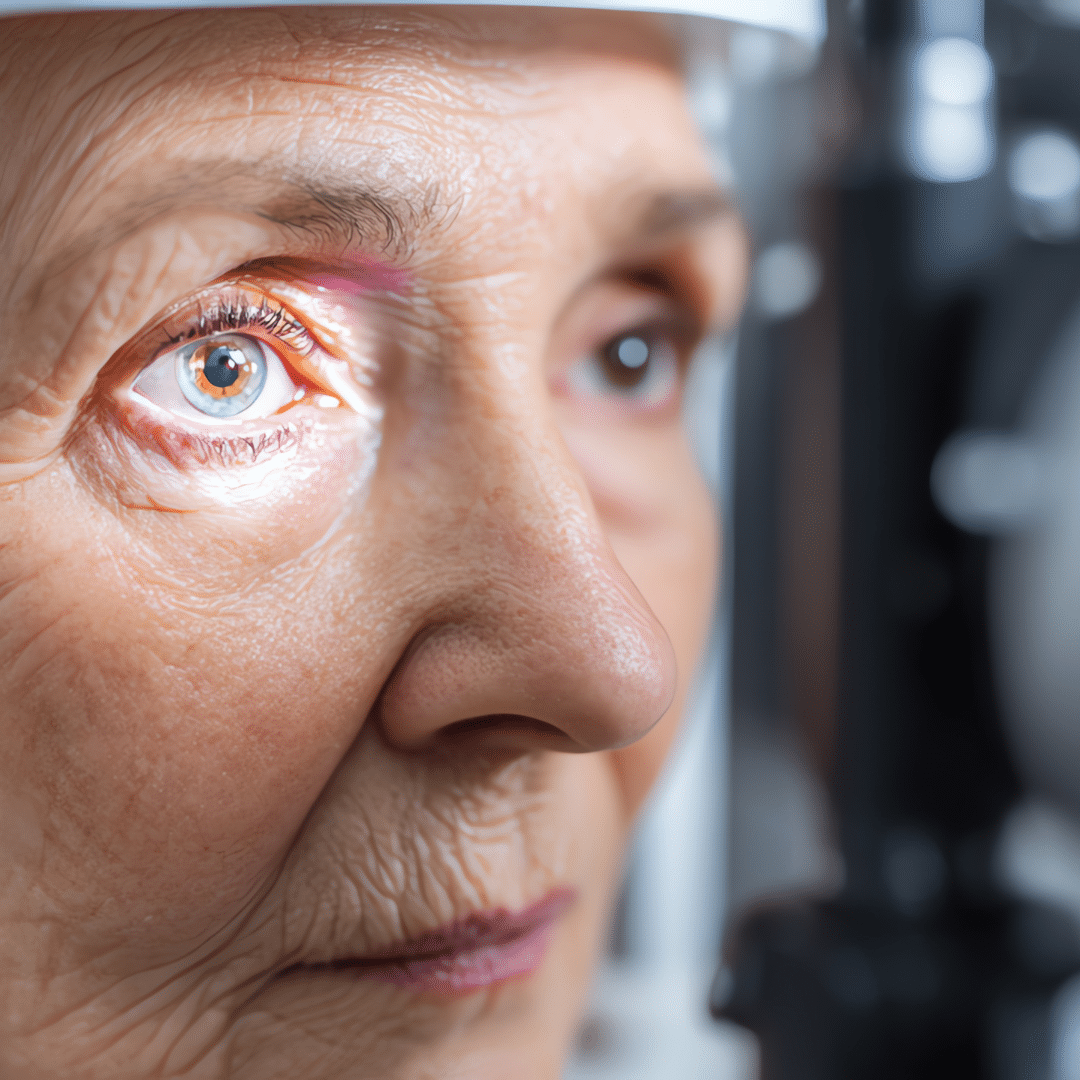
Understanding the various types of glaucoma can help explain why early diagnosis is so important and why treatment is often tailored to each individual patient.
You might be interested in:
Understanding Cataracts: Symptoms & Treatments
What Are Cataracts? Cataracts are a common eye condition that affects the clarity of the natural crystalline lens inside the eye, leading to a variety of visual impairment. The lens in a healthy eye is clear and allows light to pass through, focusing it on the retina to create a sharp image.
Read More
Long Sighted vs Short Sighted
When it comes to common vision problems, many people ask about long sighted vs short sighted. While both are refractive errors that affect how your eyes focus light, they cause very different vision problems. Understanding the difference can help you choose the most suitable treatment and enjoy clearer vision.
Read More
Seeing Clearly Without Reading Glasses
Thanks to advances in vision correction, wearing reading glasses doesn’t need to be a permanent part of life. Modern procedures, including laser eye surgery and lens replacement surgery can offer long-lasting freedom from readers and varifocals, for a wide range of prescriptions and lifestyles.
Read More